
Driver 1: Technological
LLMs have become commonplace, the barrier of entry to creating extremely effective phsihing campaigns is lower than ever.
With our ever connected world giving more and more people access to technology sooner and sooner, the victim base of phishing grows alongside this technological adoption.
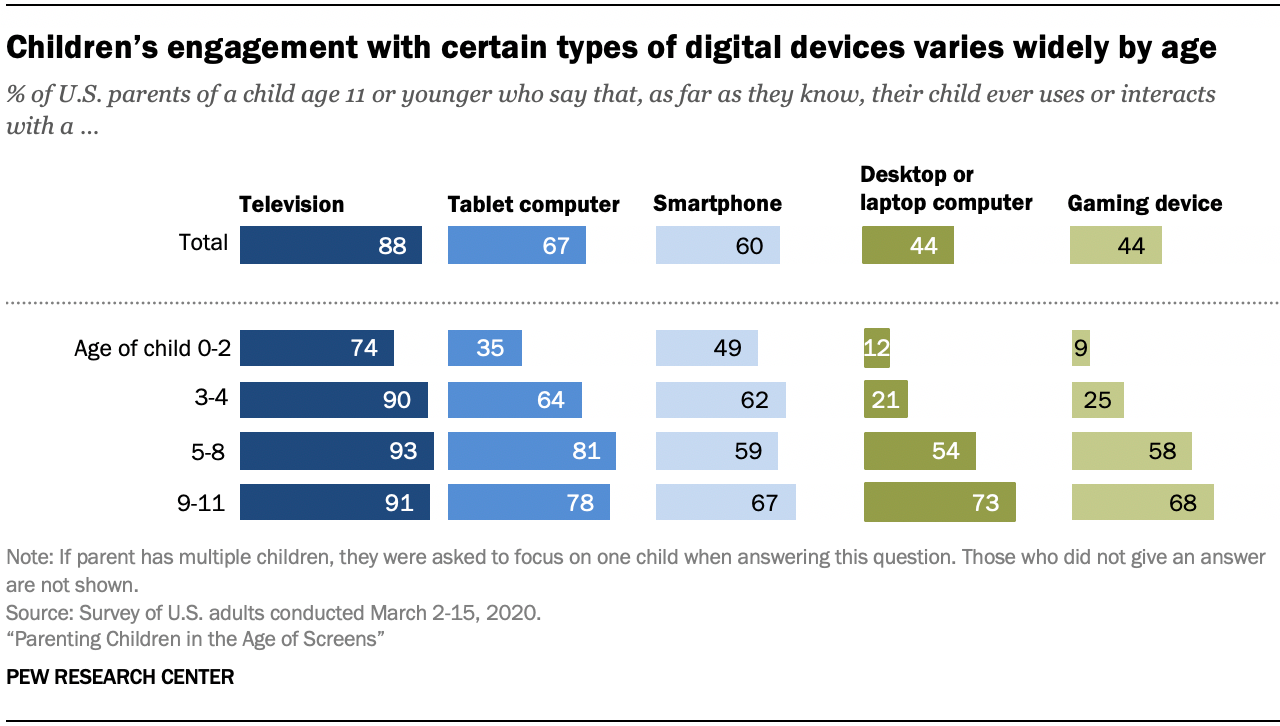
Smartphones and their ubiquity as well as smaller size compared to a traditional computer make it harder to spot phishing emails and their slight imperfections that would give the user a sign to reconsider.
Driver 2: Social
societally, cybersecurity awareness has always lagged behind the current threat landscape. This observable through the rate of adoption of handheld internet enabled devices for the young.
People who haven't grown up with the internet as it evolved, through generations of technology like the pager and introduction of text messaging, may not have the fluency to observe and diagnose cyber threats before it's too late.
Due to to the nature of automation and AI being used in that production pipeline, the targetting is indsicriminate, you are at risk no matter how small of a target area you think you project.
Driver 3: Economical
This is the most multimodal factor we've researched. Economics dictate most cybercrime and is one of the most prominent motivators for threat actors worldwide.
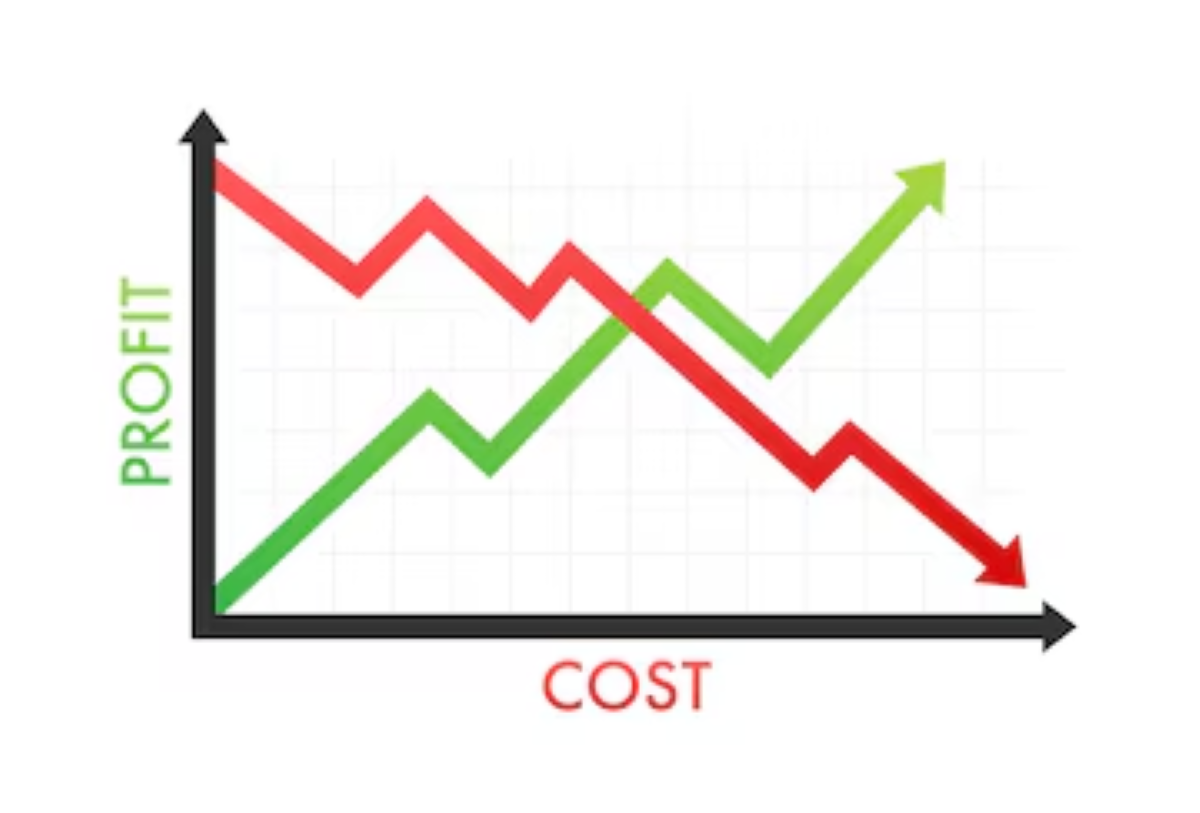
AI and LLM automation have made generating campaigns, effective campaigns with almost perfect multilanguage suppport, much cheaper than they once were. The phishing attacks are now more personal, adapted, and effective. A higher clickthrough success rate leads to greater profit for threat actors. Due to the nature of this automation, one hit in 10,000 is likely enough to make the operation profitable, this is especially important if the threat acctor comes from a background where hacking is a sole means of survival.

Driver 4: Political/Government Policy
Over the past two years, the government, along with private equity have invested hundreds of billions into the AI arms race currently underway. The United States government classifies AI supremacy as a national security matter.
AI has since exploded in capability and availability to the public and policy makers. Multiple branches of governemnt utilize AI/LLM technology and reseources are being poured into monitoring progress of artifical intelligence research and application. The desire to regulate the trechnology is directly in contention with america's vested interest in maintaining the frontier of AI research.